Campden Tablets – Why When And How To Use
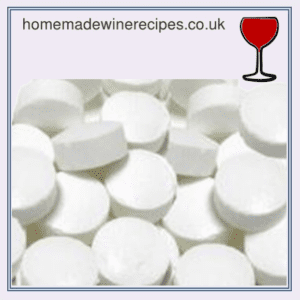
Campden Tablets: What They Are, Why They’re Essential, and How to Use Them Properly in Home Winemaking
Campden tablets are one of the most widely used additives in home winemaking. Whether you’re a beginner or a seasoned winemaker, understanding what these tablets do — and how to use them correctly — can dramatically improve the quality, stability, and flavour of your wine. Although they’re small, Campden tablets provide powerful protection against oxidation, spoilage, and contamination, making them indispensable in almost every stage of the winemaking process.
This guide explains what Campden tablets are made of, why they matter, the correct dosage, and the most effective ways to use them for safer fermentations and better-tasting homemade wines.
What Campden Tablets Are Made Of
A Campden tablet is a compact, pre-measured form of sodium metabisulphite or potassium metabisulphite. Both forms release sulphur dioxide (SO₂) when dissolved in liquid. Sulphur dioxide is a highly effective:
- Sanitiser
- Antioxidant
- Microbial inhibitor
- Chlorine neutraliser
Commercial wineries use sulphites in various forms, but home winemakers tend to prefer Campden tablets because they eliminate guesswork — each tablet delivers a predictable amount of SO₂.
Why Campden Tablets Are Important in Winemaking
1. Sanitising the Must and Controlling Wild Microorganisms
Fruit used for homemade wine carries wild yeast, bacteria, mould spores, and natural fungi. Left unchecked, these microorganisms can:
- Compete with wine yeast
- Cause sluggish or stuck fermentation
- Produce off-flavours
- Spoil the wine entirely
By adding 1 crushed Campden tablet per 4.5–5 litres (1 UK gallon) of must, you dramatically reduce unwanted microbes. This ensures your chosen wine yeast has full control of the fermentation.
Important: After adding a Campden tablet, wait 12–24 hours before pitching your yeast. This allows sulphite levels to drop so the yeast can ferment normally.
2. Preventing Oxidation and Protecting Flavour
Oxygen exposure is one of the biggest threats to wine quality. Too much oxygen can cause:
- Brown or dull colour
- Harsh, flat, or bruised flavours
- Loss of aroma
- Long-term instability
Campden tablets act as antioxidants by neutralising free oxygen in the must or wine. They are especially useful during activities that increase oxygen exposure, such as:
- Racking wine between vessels
- Bottling
- Long-term ageing
Using one tablet per 5 litres at these stages helps keep your wine fresh, vibrant, and stable.
3. Removing Chlorine and Chloramines from Tap Water
Chlorine and chloramines are commonly added to municipal water supplies. When these chemicals react with organic compounds in wine, they can produce TCP-like (medicinal or plastic) flavours — one of the most unpleasant wine faults.
Campden tablets effectively remove:
- Chlorine — almost instantly
- Chloramines — usually within 20–30 minutes
If you use tap water to top up your must or sanitise equipment, treating it with a Campden tablet ensures you avoid chemical off-flavours.
4. Sanitising Equipment with Sulphite Solution
Clean equipment is essential for successful winemaking. Even small amounts of contamination can ruin a batch. By dissolving Campden tablets in warm water, you can create a sulphite sanitising solution ideal for:
- Demijohns
- Fermentation buckets
- Siphons
- Airlocks
- Funnels
- Bottles
Although not as fast as commercial no-rinse sanitisers, a sulphite solution remains a reliable and traditional method used by many winemakers.
How to Use Campden Tablets at Each Stage of Winemaking
Before Fermentation
- Add 1 tablet per 5 litres of must.
- Crush thoroughly and stir in.
- Wait 12–24 hours before adding yeast.
During Racking
- Use 1 tablet per 5 litres at the first major racking after fermentation slows.
- This prevents oxidation and helps stabilise the wine.
During Long-Term Ageing
For wines aged several months or longer, winemakers often add a sulphite dose every 2–3 months to maintain protection. Adjust based on wine style and storage conditions.
Before Bottling
A final dose added at bottling helps preserve:
- Freshness
- Aroma
- Colour
- Shelf life
Again, the standard amount is 1 tablet per 5 litres, unless your recipe or hydrometer readings suggest otherwise.
Sodium vs Potassium Metabisulphite: Which Is Better?
Most home winemakers can use either type, but some prefer potassium metabisulphite because:
- It is more commonly used in commercial winemaking
- It adds less sodium to the wine
- It tends to be gentler in flavour impact
However, both types perform the same job and use the same dosage instructions.
Common Mistakes When Using Campden Tablets
To get the best results, avoid these frequent errors:
❌ Adding yeast immediately after Campden
Sulphite levels will be too high and can kill or weaken the yeast.
❌ Using too many tablets
Excess sulphite can create a sharp smell or taste and may inhibit fermentation.
❌ Not crushing the tablets
Whole tablets dissolve slowly and can sanitise unevenly.
❌ Assuming they replace cleaning
Campden tablets sanitise but do not remove dirt or residue — equipment must be cleaned first.
Do All Winemakers Need Campden Tablets?
While some minimalists choose not to use sulphites, most home winemakers rely on Campden tablets for:
- Predictable results
- Reduced risk of spoilage
- Protection during storage
- Improved colour and flavour retention
For beginners especially, using Campden tablets makes the winemaking process much more reliable and forgiving.
FAQs About Campden Tablets
Q: Can I drink wine made with Campden tablets? Is it safe?
Yes. The amount of sulphite used is very small and far below levels found in many commercial wines.
Q: Do Campden tablets change the taste of wine?
Not when used at the correct dosage. Excessive use, however, may produce a slight sulphur smell.
Q: Are Campden tablets the same as stabilisers?
No. Campden tablets stop oxidation and control microbes, but stabilisers like potassium sorbate prevent renewed fermentation in sweetened wines.
Q: Do I need to use Campden tablets every time I rack?
Not always. It depends on wine style, exposure to oxygen, and personal preference. Many winemakers add them at major racking points.
Conclusion
Campden tablets are a simple but powerful tool in home winemaking. They help sanitise must, control wild yeast and bacteria, prevent oxidation, remove chlorine from water, and protect wine during ageing. When used correctly, they ensure cleaner fermentation, better flavour stability, and longer-lasting wine.
Once you understand how to use Campden tablets effectively, you gain far more control over the winemaking process — and your wine becomes more consistent, flavourful, and enjoyable.