

How To Make Damson Wine
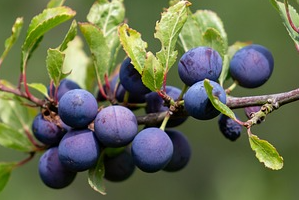
1. Begin by washing the damsons thoroughly and removing any stems and stones.
2. Place the fruit in a fermentation vessel and crush them lightly to release their juices.
3. In a separate container, dissolve the granulated sugar in 2 litres boiling water, then pour this mixture over the crushed damsons.
4. Add one Campden tablet, crushed and add it to the mixture to eliminate wild yeast and bacteria.
5. Add cold water to make mix up to 5 litres.
6. Allow this must to sit for 24 hours.
7. After 24 hours, add the wine yeast to the mixture, cover it with a cloth or loosely fitting lid.
8. Let it ferment in a warm place for about 7 to 10 days.
9. Stir the mixture daily for one week to ensure proper fermentation.
10. Leave to settle for a couple of days before siphoning off.
11. Siphon off the liquid to a secondary fermentation vessel (demijohn) with airlock fitted, leaving the sediment behind. (this can be achieved if you use a net bag for plums at start)
12. Allow the wine to ferment in the secondary vessel (demijohn) for approximately 4 to 6 weeks, checking for clarity and taste.
13. Once fermentation is complete, siphon the wine into clean bottles, ensuring minimal exposure to air.
14. Seal the bottles and store them in a cool, dark place for at least 6 months to mature.
You may need to siphon of the wine after a couple of months to aid clearing of wine. (use finings if needed).
Homemade damson wine is characterised by its rich, deep colour, often ranging from a vibrant purple to a dark ruby hue. This visual appeal is complemented by its aromatic profile, which typically features a complex blend of fruity and floral notes. The natural sugars present in damsons contribute to a balanced sweetness, while the acidity of the fruit adds a refreshing tartness, creating a harmonious flavour experience. The production process of damson wine enhances its unique attributes, as the fermentation allows for the development of intricate flavours. The use of traditional methods, such as wild fermentation or the addition of specific yeasts, can influence the final taste, resulting in variations that reflect the terroir and the winemaker’s techniques. This artisanal approach often leads to a wine that is not only distinctive but also imbued with a sense of place and personal touch. In terms of mouthfeel, homemade damson wine typically exhibits a smooth, velvety texture that coats the palate. The finish can be lingering, leaving a pleasant aftertaste that invites further exploration. Overall, the combination of visual allure, aromatic complexity, and textural richness makes homemade damson wine a noteworthy addition to the repertoire of fruit wines, appealing to both casual drinkers and connoisseurs alike.
Preparation time: 40 minutes
Initial fermentation time: 7 days
Time to be ready to drink: 6 months
Damsons: 2.2 kg (4.8 lbs)
Granulated sugar: 1.4 kg (3 lbs)
Water: 5 litres (1.1 gallons)
1 teaspoon/5 grams acid blend
½ teaspoon/3 grams tannin
1 teaspoon/5 grams pectic enzyme
1 packet (approximately 5 grams) wine yeast
1 tsp/5 grams yeast nutrient.
1-2 campden tablets
Sweetness: Medium
Calories per bottle: 650 approx
Yield: 6 bottles
Would you like to contribute and help others find wine recipes, well you can just fill in our form which you can find here and we’ll post it (subject to our quality checks)
